How Do Vaccines Work? The Immune System Explained
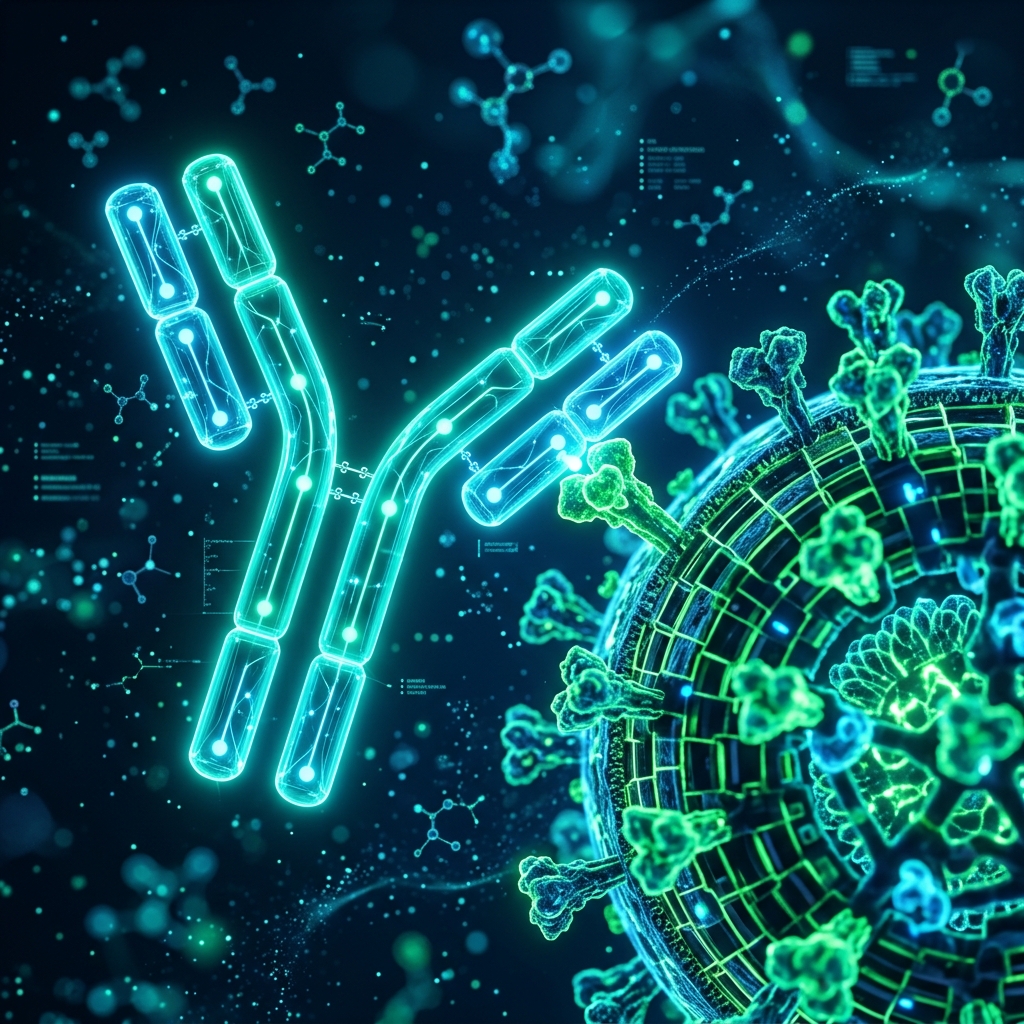
Vaccines trigger your adaptive immune system to produce antibodies and memory cells without the danger of infection.
A vaccine doesn't cure a disease. It doesn't even fight a disease directly. What it actually does is something more clever: it shows your immune system a preview of a threat, without the actual danger, so your body can build its defenses in advance — the same way a fire drill trains people to react quickly to a real fire without anyone needing to set the building alight first.
To understand why that works, you need a quick picture of how your immune system actually operates.
Your immune system's two lines of defense
The human immune system runs on two connected systems:
- Innate immunity — your body's fast, general-purpose response. Skin, mucus, stomach acid, and white blood cells that attack anything foreign on sight are all part of this. It reacts within minutes to hours, but it doesn't "remember" specific threats — it responds the same generic way every time.
- Adaptive immunity — a slower, but far more precise system that specifically recognizes and remembers particular invaders (called antigens — a molecule, often on the surface of a virus or bacterium, that the immune system can recognize as foreign). This is the system vaccines are designed to train.
Antibodies: the immune system's custom-made key
When your adaptive immune system encounters a new antigen for the first time, specialized white blood cells called B cells begin producing antibodies — Y-shaped proteins built to bind precisely to that one antigen's specific shape, the way a key is cut to match one particular lock. Once bound, antibodies mark the invader for destruction by other immune cells, or in some cases directly block it from infecting your cells.
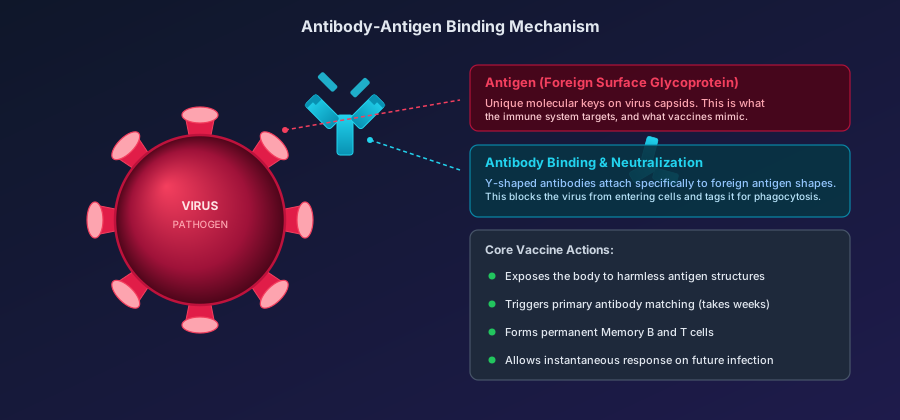
Figure 1: Antibodies (Y-shaped) binding to specific antigens on the surface of a pathogen to neutralize it and mark it for cellular destruction.
The catch: building the *right* antibody from scratch takes time — typically around one to two weeks during a first-ever infection. That delay is exactly why a first exposure to a serious pathogen can be dangerous: your body is still designing its custom key while the infection is spreading.
Memory cells: the reason vaccines work at all
Here's the part that actually explains vaccination. After your body fights off an infection (or a vaccine), a subset of B cells don't disappear — they become long-lived memory B cells, which can persist for years, sometimes decades. These cells "remember" the exact antigen shape they encountered.
If your body ever encounters that same antigen again, memory cells can produce the matching antibody within hours or a couple of days instead of one to two weeks — fast enough, in most cases, to stop the infection before it causes serious illness.
A vaccine's entire purpose is to trigger this memory-cell response without requiring you to get sick first. It shows your immune system the antigen — via a weakened virus, an inactivated virus, a piece of the virus's protein, or (in mRNA vaccines) instructions for your own cells to briefly produce a harmless piece of viral protein — so your body builds the same memory cells and antibody blueprint it would have built from a real infection, minus the actual disease.
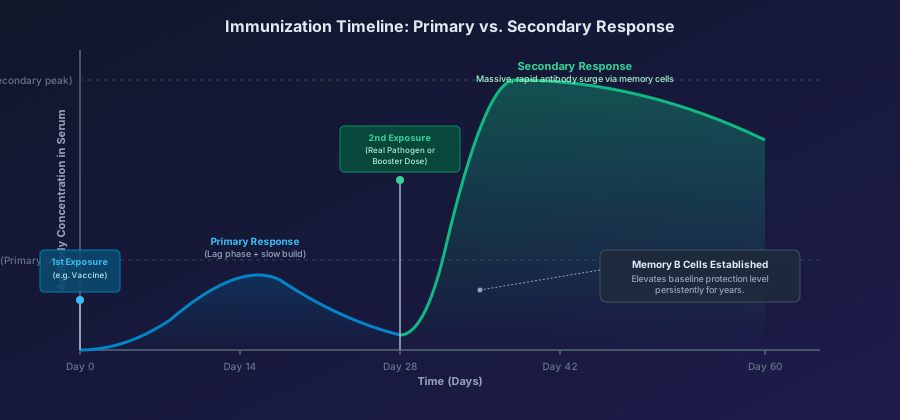
Figure 2: Primary vs. Secondary immune response curves showing how memory cells speed up and multiply antibody production upon secondary exposure.
The four main types of vaccines, briefly
- Live-attenuated vaccines use a weakened version of the actual virus, still able to trigger a strong immune response but generally too weak to cause serious illness (e.g., MMR — measles, mumps, rubella).
- Inactivated vaccines use a killed version of the pathogen, which can't replicate but still presents antigens (e.g., some polio and flu vaccines).
- Subunit/protein vaccines use just a specific piece of the pathogen — often a single surface protein — rather than the whole virus (e.g., hepatitis B).
- mRNA vaccines don't introduce any part of the virus itself. Instead, they deliver genetic instructions that direct your own cells to temporarily produce one harmless viral protein, which your immune system then learns to recognize (e.g., some COVID-19 vaccines).
All four approaches are aimed at the same outcome: get the immune system to build memory cells against a specific antigen, safely.
Why some vaccines need booster shots
Memory cell populations and antibody levels can gradually decline over time, and for some pathogens, the initial exposure doesn't produce as strong or long-lasting a memory response as others. A booster dose re-exposes your immune system to the same antigen, which reinforces and expands the memory cell population — essentially a refresher course rather than starting from zero. This is also part of why flu vaccines are given annually: influenza viruses mutate quickly enough that last year's antibody "key" often no longer matches this year's "lock," requiring an updated vaccine formulation targeting the newer strain.
Herd immunity: why vaccination protects people who aren't vaccinated
When a high enough percentage of a population is immune to a specific pathogen — either through vaccination or prior infection — the pathogen struggles to find enough new hosts to sustain its spread, indirectly protecting people who can't be vaccinated themselves (such as newborns or people with certain medical conditions). This threshold is called herd immunity, and the percentage required varies by disease depending on how contagious it is — highly contagious diseases like measles require a very high immunized percentage of the population (often cited around 95%) to reliably prevent outbreaks, while less contagious diseases require a lower threshold.
Why vaccinated people can sometimes still get mildly sick
A vaccine trains your immune system to respond faster and more effectively — it doesn't necessarily create a wall that prevents 100% of exposure to a pathogen from ever taking hold. This is why vaccinated individuals can sometimes still get infected, but with a memory-cell head start, the immune system typically clears the infection faster and with milder symptoms than an unprimed immune system would manage on a first-ever exposure.
The short version
- Your immune system has a fast general-purpose defense (innate immunity) and a slower, precise, targeted defense (adaptive immunity).
- Antibodies are custom-built proteins that match a specific antigen, but building them from scratch the first time takes one to two weeks.
- Memory cells, formed after an infection or vaccination, let your body produce the matching antibody in hours to days instead of weeks on future exposure.
- Vaccines work by safely showing your immune system an antigen (via a weakened virus, inactivated virus, protein piece, or genetic instructions) so it builds those memory cells without you having to get sick first.
- Booster shots reinforce a fading memory response; herd immunity is the population-level protection that emerges once enough individuals carry that immune memory.
Frequently Asked Questions
- Do vaccines contain the actual disease? Depends on the type. Live-attenuated vaccines contain a weakened version of the pathogen; inactivated vaccines contain a killed version; subunit and mRNA vaccines contain no live pathogen at all — only a protein piece or genetic instructions to make one.
- How long does vaccine-induced immunity typically last? It varies significantly by vaccine and pathogen — some vaccines (like MMR) provide very long-lasting immunity, often decades, while others (like flu vaccines) need annual updates due to how quickly the target virus mutates. This is a case-by-case biological question, not a fixed rule.
- Why do some people still get sick after vaccination? No vaccine provides an absolute guarantee against ever being infected — it trains the immune system to respond faster and more effectively, which usually means milder illness and lower risk of severe complications, rather than guaranteed zero risk of any infection at all.
- What's the difference between immunity from a vaccine and immunity from having the actual disease? Both can generate memory cells and antibodies through the same underlying biological mechanism, but a vaccine achieves this without exposing you to the risks and potential complications of the actual disease itself.
*Related: explore Biology guides, starting with our Cell Biology Essentials guide covering the cellular structures involved in immune response.*
Join 10,000+ Students
Get our weekly Band 7+ IELTS vocabulary cheat sheet and exam strategies delivered straight to your inbox.